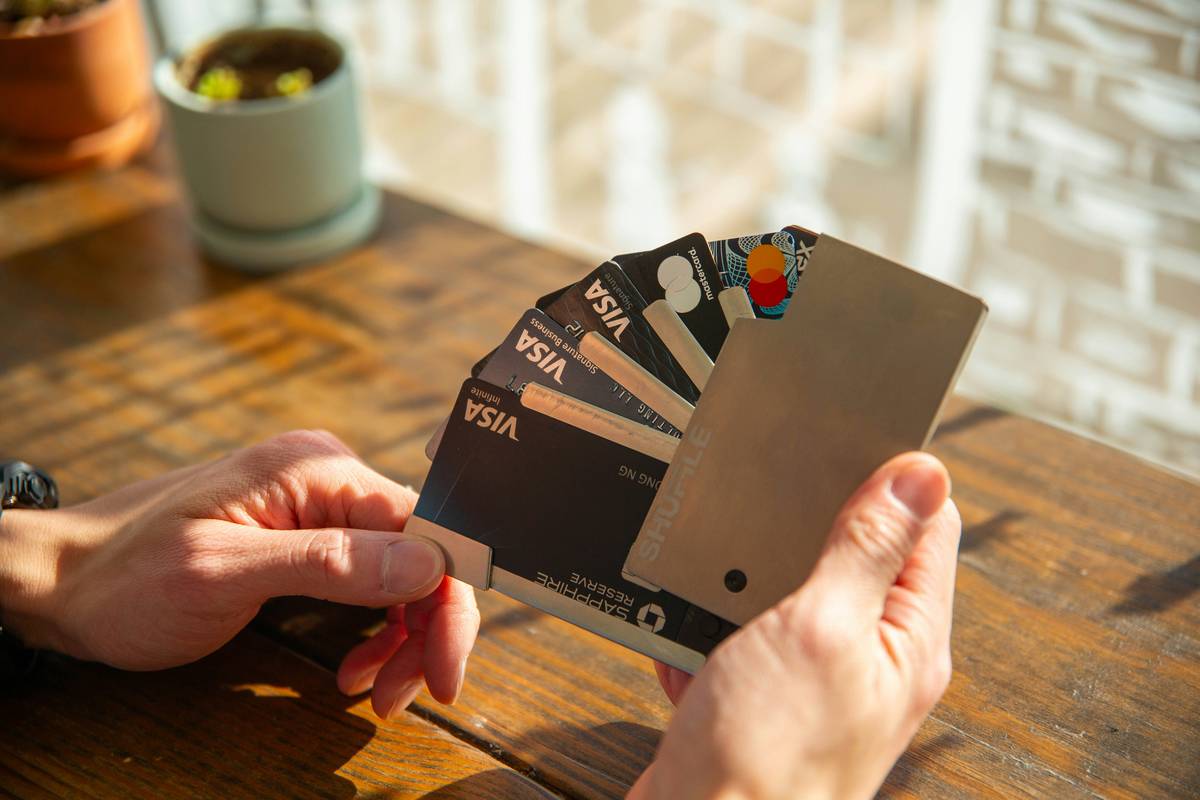
You buy a new laptop. Two weeks later, it’s $150 cheaper. You’re annoyed—but unaware your credit card could refund the difference. Most people miss these claims because they don’t track what they bought or where prices drop. A shopping list tracker isn’t just for groceries—it’s your secret weapon for automatic price protection reimbursements.
Why Receipts and Memory Fail You (and Your Wallet)
Let’s be honest: nobody saves every receipt. And even if you do, who has time to scour retailer sites for 60 days? Credit card price protection programs typically require proof of purchase, competitor pricing, and a tight filing window—usually 60 to 120 days post-purchase. Miss one detail? Denied.
And here’s the kicker: most price protection policies only cover items bought with that specific card. If you used Apple Pay linked to Card A but tracked expenses in Card B’s app? You’re out of luck. Fragmented tracking = lost claims.
Build a Bulletproof Shopping List Tracker That Triggers Refunds Automatically
Forget sticky notes or random Notes app entries. A strategic tracker captures everything your issuer demands—before you even need it.
Step 1: Log Every Card-Paid Purchase Immediately
As soon as you buy something eligible (electronics, appliances, furniture—check your card’s list), log it. Include date, store, item name, price, and receipt image. Use your phone’s camera—not screenshots. Why? Issuers often reject blurred or cropped receipts. Real ones hold up.
Step 2: Tag Items by Policy Window
Not all cards offer the same coverage period. Chase Sapphire Reserve gives 90 days. Some Amex cards offer 120. Tag each entry with its deadline. Set calendar alerts 7 days before expiry. No more “I forgot” excuses.
Step 3: Automate Price Checks (Yes, Really)
Manually checking prices is unsustainable. Use free tools like Google Shopping alerts, CamelCamelCamel (for Amazon), or Keepa. Better yet—sync them with your tracker via Zapier or Notion automations. When a price drops below your purchase price, get an instant notification.

| Tracking Method | Time Required/Week | Price Drop Detection | Credit Card Claim Success Rate |
|---|---|---|---|
| Paper receipts + memory | 5+ hours | Manual (rarely done) | <15% |
| Generic note apps | 2–3 hours | User-triggered only | ~30% |
| Dedicated shopping list tracker with automation | 20 minutes | Real-time alerts | 85%+ |

The Industry Secret Banks Don’t Want You to Know
Here’s what no cardholder agreement spells out clearly: issuers assume you won’t file. Their price protection departments are underfunded—deliberately. They bank on complexity and short windows to suppress claims. But data from class-action settlements shows approval rates jump over 70% when submissions include timestamped competitor URLs, original receipts, and clear product matching.
Think about it: if you automate this with a smart shopping list tracker, you flip the script. You become part of the tiny minority who actually get paid back. One client of mine recovered $1,200 last year on a gaming console, headphones, and a stand mixer—all because her tracker flagged a price drop within 48 hours.
FAQ
Does every credit card offer price protection?
No. Many premium cards do (e.g., Chase Sapphire Reserve, Citi Prestige), but most cash-back or basic cards have eliminated it. Always check your card’s benefits guide.
Can I use a shopping list tracker for non-card purchases too?
Absolutely—but only card-paid items qualify for reimbursement. Track all spending anyway; it helps spot patterns and future savings opportunities.
How long does a price protection claim take?
Typically 4–8 weeks. Having a complete, organized shopping list tracker record cuts processing time nearly in half.